Root Canal Treatment
Root canals have a reputation, but not a fair one. The truth is, today’s root canal therapy is gentle, routine, and remarkably effective. If you’ve been told you might need a root canal, don’t panic—and don’t put it off.
At Advanced Dental Arts, we provide root canal treatments with comfort, care, and zero judgment. We’re here to help you feel better, preserve your natural teeth, and get back to life without the ache.
 padding settings
Tooth pain doesn’t have to mean extraction.
Call (478) 207-6939 or complete our form to save your tooth.
Why Choose Advanced Dental Arts for Your Root Canal?
Root canals have a reputation for being scary. At Advanced Dental Arts, we’re working to change that. Here’s how:
We Put Comfort First
Before we do anything, we make sure you’re thoroughly numb and at ease. We check in throughout the procedure and listen if something doesn’t feel right. If you say it hurts, we believe you, and we stop.
No Pressure, Just Clear Information
We never pressure you into a procedure. If a root canal is the best option, we’ll explain why, what to expect, and how we’ll help you recover. You’ll always get straightforward answers about outcomes and costs.
Options That Fit Your Life
We understand that dental procedures can be a significant investment of time and money. If you’re worried about affordability, we’ll work with you to explore treatment options, insurance benefits, and financial solutions.
Gentle, Experienced Care
Dr. Othman and the Advanced Dental Arts team are committed to delivering care in a low-stress environment. We combine experience with empathy to help patients feel safe, respected, and fully supported throughout treatment.
Root canals aren’t scary—we promise.
Call (478) 207-6939 or complete our form to get relief, fast.

What Is a Root Canal—and When Do You Need One?
A root canal is a dental procedure used to treat infection or damage inside a tooth. When the soft inner tissue (called pulp) becomes inflamed or infected, the only way to save the tooth is to remove the source of that infection. That’s where root canal therapy comes in.
Root canals are designed to:
- Eliminate pain
- Stop the infection from spreading
- Prevent the need for extraction
- Strengthen the tooth with a protective restoration
Despite the myths, root canals are not more painful than other dental procedures. In fact, most patients report that the pain before the root canal was far worse than anything they felt during or after.
Understanding the Inside of Your Tooth
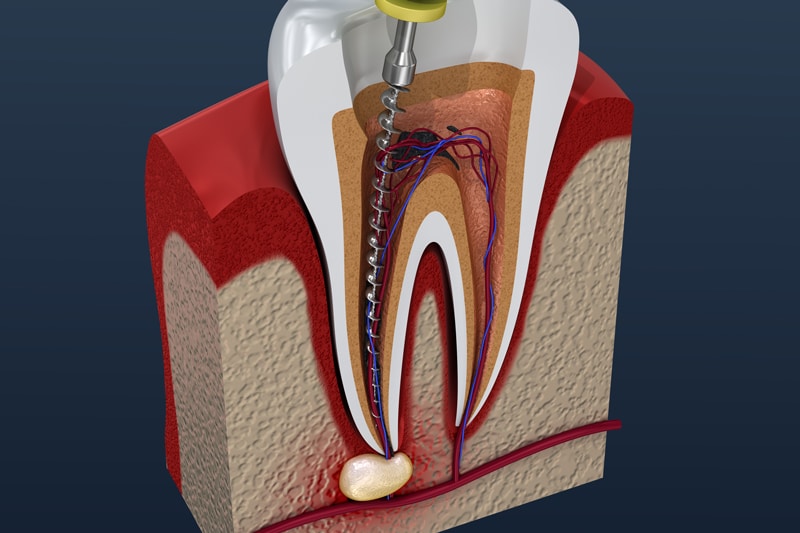
Each tooth contains a pulp chamber: soft tissue filled with nerves, blood vessels, and connective tissue. This pulp helps your teeth develop when you’re young, but fully matured teeth can function just fine without it.
When the pulp becomes inflamed or infected—due to deep decay, a cracked tooth, a blow to the face, or even repeated dental work—it starts to hurt. And the longer the infection is left untreated, the worse it gets. Without intervention, bacteria can spread into the surrounding bone or even into the bloodstream, leading to more serious complications.
What Happens During a Root Canal?
A root canal (also known as endodontic therapy) removes the damaged or infected pulp, cleans out the inside of the tooth, and seals it to prevent further problems. Here’s a step-by-step look at what you can expect:
Diagnosis
We start by examining your tooth and taking digital X-rays to confirm whether the pulp is infected or inflamed. We’ll walk you through your results, explain your options, and help you decide on next steps.
Numbing the Area
Local anesthesia is used to numb the tooth and the surrounding area thoroughly. Most patients say a root canal feels no different from getting a filling.
Cleaning the Canal
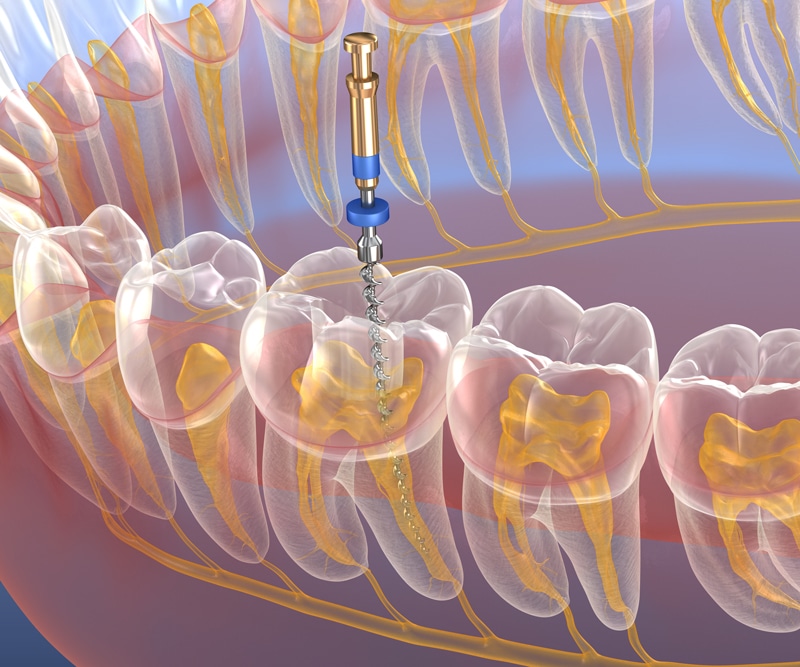
Once the tooth is fully numb, we create a small opening and carefully remove the pulp using fine, specialized tools. We then clean and disinfect the canals to eliminate any remaining bacteria.
Filling and Sealing
After cleaning, we fill the canal space with a rubbery, biocompatible material called gutta-percha. This substance seals the tooth from the inside to prevent reinfection.
Did you know? Gutta-percha is made from the sap of a Malaysian tree and was once used to make golf balls, walking sticks, and even electrical cables. Today, it’s the gold standard in endodontics.
Final Restoration
Most teeth that undergo a root canal need a crown to restore strength and function. We’ll work with you to place a custom crown that protects the tooth and blends naturally with your smile.
Why You Shouldn’t Delay Treatment
If you’ve been told you need a root canal—or you’re experiencing symptoms—don’t wait. An infected tooth will not heal on its own. Left untreated, the infection can spread, causing:
- More severe pain
- Swelling and abscess formation
- Jawbone loss
- Damage to neighboring teeth
- The need for extraction or surgical treatment
Early root canal treatment can stop infection in its tracks, preserve your natural tooth, and spare you from more invasive procedures later on.
Signs You Might Need a Root Canal
Only a dentist can confirm whether you need a root canal, but here are some common warning signs to look out for:
- Persistent or throbbing tooth pain
- Pain when chewing or applying pressure
- Lingering sensitivity to hot or cold
- Swollen, red, or tender gums near a tooth
- A small pimple-like bump on the gums
- Darkening or discoloration of a single tooth
If you’re experiencing any of these symptoms, call us. The sooner we identify the issue, the more treatment options you’ll have—and the better the outcome.
Aftercare and Long-Term Success
Most patients resume normal activities the same day or within 24 hours. In the days following treatment, you may have mild tenderness, which can usually be managed with over-the-counter pain relievers like ibuprofen.
To care for a tooth that’s had a root canal:
- Brush and floss regularly, just like normal
- Avoid chewing on that side of your mouth until your final crown is placed
- Keep all follow-up appointments
- Maintain regular checkups and professional cleanings
With proper care, a tooth that’s had a root canal can last a lifetime.
Root Canal Therapy That Respects You
When your tooth hurts, the last thing you need is judgment, fear, or pressure. At Advanced Dental Arts, we meet you where you are with respect, compassion, and a treatment plan that puts your health first.
If you’re experiencing pain or think you might need a root canal, don’t wait. Call us today to schedule a gentle, no-pressure evaluation. We’ll help you find answers so you can start feeling better.
Don’t wait for the pain to get worse – we can help.
Call (478) 207-6939 or complete our form to schedule.